- Home
- what are my triggers
What Are Emotional Triggers? Why You React the Way You Do
If you’ve been asking yourself what are emotional triggers, it’s usually because something in your reactions doesn’t quite make sense.
You might notice moments where your emotional response feels stronger than the situation calls for. You react quickly, feel overwhelmed, or shut down without fully understanding why.
These are not random reactions.
They are emotional triggers — and they are often shaped by experiences, beliefs, and patterns you may not yet be aware of.

What Are Emotional Triggers?
Emotional triggers are situations, words, or behaviours that create a strong emotional reaction within you.
They can feel sudden, but they are not coming from nowhere.
They are connected to:
- past experiences
- emotional memories
- subconscious beliefs
- patterns learned over time
What’s happening in the present moment is activating something that already exists beneath the surface.
How Emotional Triggers Show Up in Daily Life
Emotional triggers in daily life don’t always look obvious.
They often show up in small, everyday situations that create a bigger emotional response than expected.
For example:
- Someone interrupts you and you feel instantly irritated
- A comment feels like criticism, even if it wasn’t meant that way
- You feel anxious before speaking up
- You shut down during conflict
- You feel overwhelmed in situations others seem comfortable in
These are not just reactions.
They are emotional triggers activating something deeper.
You may even notice times when you feel easily triggered and don’t fully understand why.
Why Emotional Triggers Feel So Strong
When an emotional trigger is activated, your body responds before your thinking mind catches up.
This is why:
- your emotional response feels immediate
- your reaction feels automatic
- it can be difficult to pause or think clearly
For example, what triggers anxiety for one person may not affect someone else at all. → You can learn more about how anxiety affects emotional responses here.
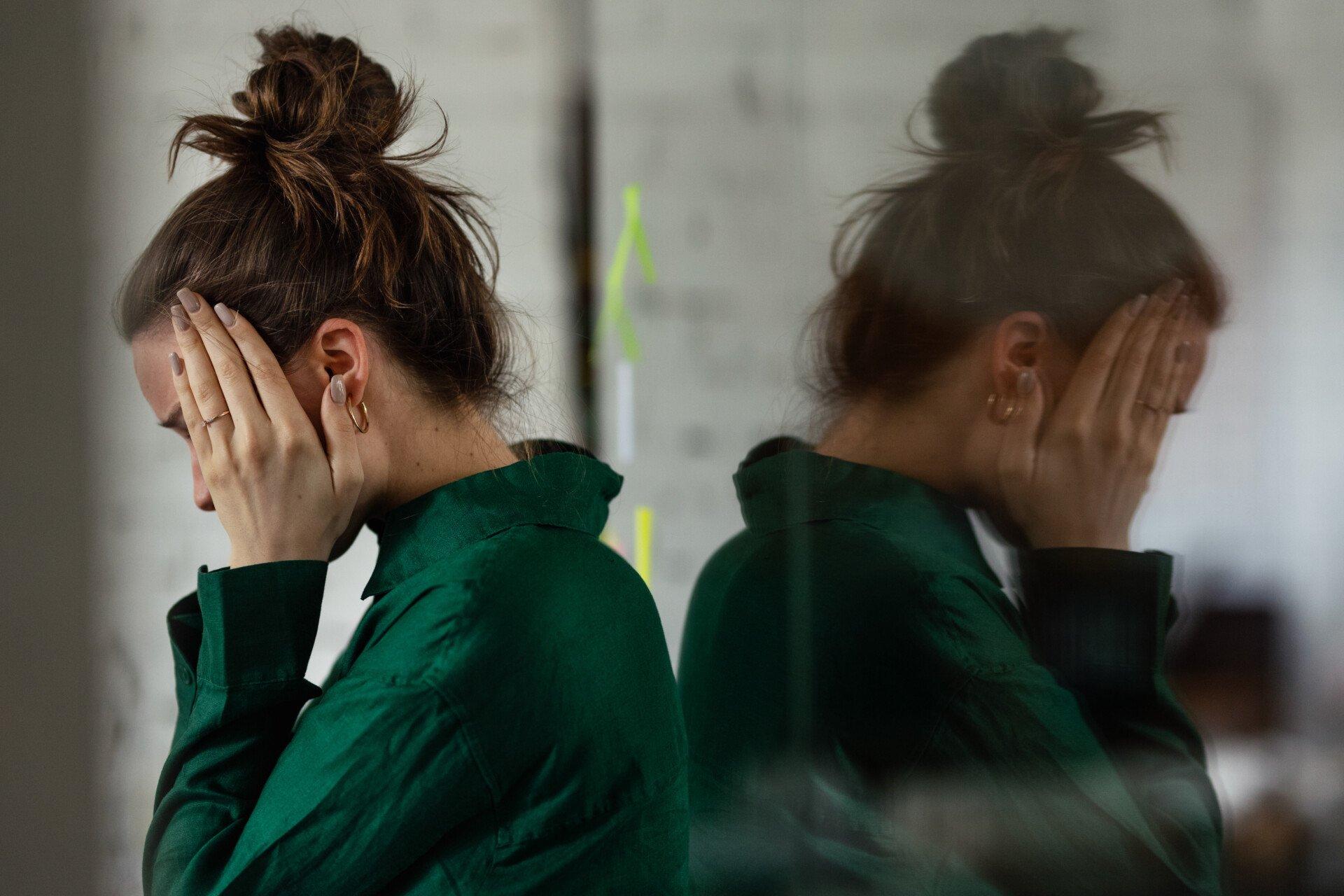
Because triggers are personal.
They are shaped by:
- your life experiences
- emotional memory
- subconscious beliefs
- repeated patterns
So instead of reacting only to what’s happening now, your mind is reacting to what it recognises from the past.
Signs You Are Being Triggered
Sometimes triggers are obvious.
Other times, they are subtle.
You might notice:
- a reaction that feels stronger than expected
- feeling defensive or needing to explain yourself
- withdrawing or shutting down
- overthinking something small
- feeling anxious, tense, or unsettled
You may also notice physical sensations, such as:
- a tight chest
- a racing heart
- tension in your body
- a sudden urge to escape the situation
These are signals that something deeper has been activated.
Not something wrong — just something unseen.
Triggers Are Connected to Patterns and Beliefs

Triggers don’t exist on their own.
They are part of a bigger pattern.
For example:
- Fear of rejection can lead to people-pleasing
- Fear of conflict can lead to avoidance
- Feeling not enough can lead to overworking or perfectionism
Over time, these patterns become automatic.
You don’t consciously choose them — they just happen.
When you begin to notice your triggers, you start to see the patterns behind them.
And behind those patterns are beliefs that have been shaping your behaviour for years.
You Don’t Need to Stop Triggers
A common belief is that you need to remove triggers to feel better.
You don’t.
Triggers are not the problem.
They are information.
They show you:
- what still needs attention
- what beliefs are active
- where old patterns are still running
This is often the moment people begin to understand what are emotional triggers in a deeper way.
Instead of trying to avoid them, you can begin to learn from them.
How to Start Becoming Aware of Your Triggers

Awareness starts with noticing, not fixing.
You can begin by asking yourself:
- What just happened?
- What did I feel?
- What did it remind me of?
- What story did my mind create?
You might even begin to notice patterns in what triggers you most.
Certain situations, people, or environments may consistently create similar emotional responses.
This awareness is powerful.
Because it creates space between the trigger and your reaction.
And in that space, something important happens.
You begin to have a choice.
A Simple Shift That Changes Everything
One of the most powerful things you can do when you feel triggered is pause.
Instead of reacting immediately, you can begin to notice what’s happening inside you.
You might ask:
- What am I really feeling right now?
- Is this about the present moment, or something older?
This small shift moves you from reacting automatically to responding consciously.
It doesn’t mean the trigger disappears.
But it does mean it no longer controls you in the same way.
Start Noticing Your Triggers
You don’t need to figure everything out right now.
Just start noticing.
The moments that feel strong.
The reactions that seem automatic.
The situations that stay with you longer than expected.
This is where awareness begins.
And awareness is the first step to real change.
Where This Leads Next
Once you start recognising your triggers, the next step is understanding what’s underneath them.
Because triggers are only the surface.
What’s really driving them are the beliefs and patterns you’ve been living from.
Privacy Policy