- Home
- Self Awareness & Patterns
- what are my triggers
- What Are My Triggers
What Are My Triggers?
What are my triggers?
That question usually shows up after a moment that doesn’t quite make sense.
A reaction that felt too strong.
A situation that stayed with you longer than it should.
A feeling that arrived fast and took over before you had time to think.
You don’t sit down calmly and ask what are my triggers.
You ask it because something caught you off guard.
And now you’re trying to understand why
What Are My Triggers and Why Do They Feel So Strong?

When people ask what are my triggers, they’re often trying to understand why their reactions feel bigger than the situation in front of them.
A simple comment can feel personal.
Silence can feel like rejection.
A small setback can feel like failure.
The situation is happening now.
The emotional intensity is coming from somewhere deeper.
Triggers are linked to past experiences, learned patterns, and the meaning your mind attaches to certain moments.
That’s why they feel immediate and powerful.
What Are Emotional Triggers Really?
If you’re still asking what are my triggers, it helps to understand what a trigger actually is.
An emotional trigger is anything that creates an automatic reaction before conscious thought has time to step in.
It can be:
- A situation
- A person
- A word or tone
- A memory
- Even a feeling itself
The key feature is not what happens.
It’s how quickly and intensely you react.
You don’t choose the reaction.
It happens.
Why You Keep Reacting the Same Way
One of the reasons people keep asking what are my triggers is because the same reactions repeat.
You tell yourself you’ll handle it differently next time.
Then the moment happens again… and the same response shows up.
That repetition isn’t random.
It’s a pattern.
Until you recognise the trigger, the reaction will keep following it.
How to Start Answering “What Are My Triggers?”
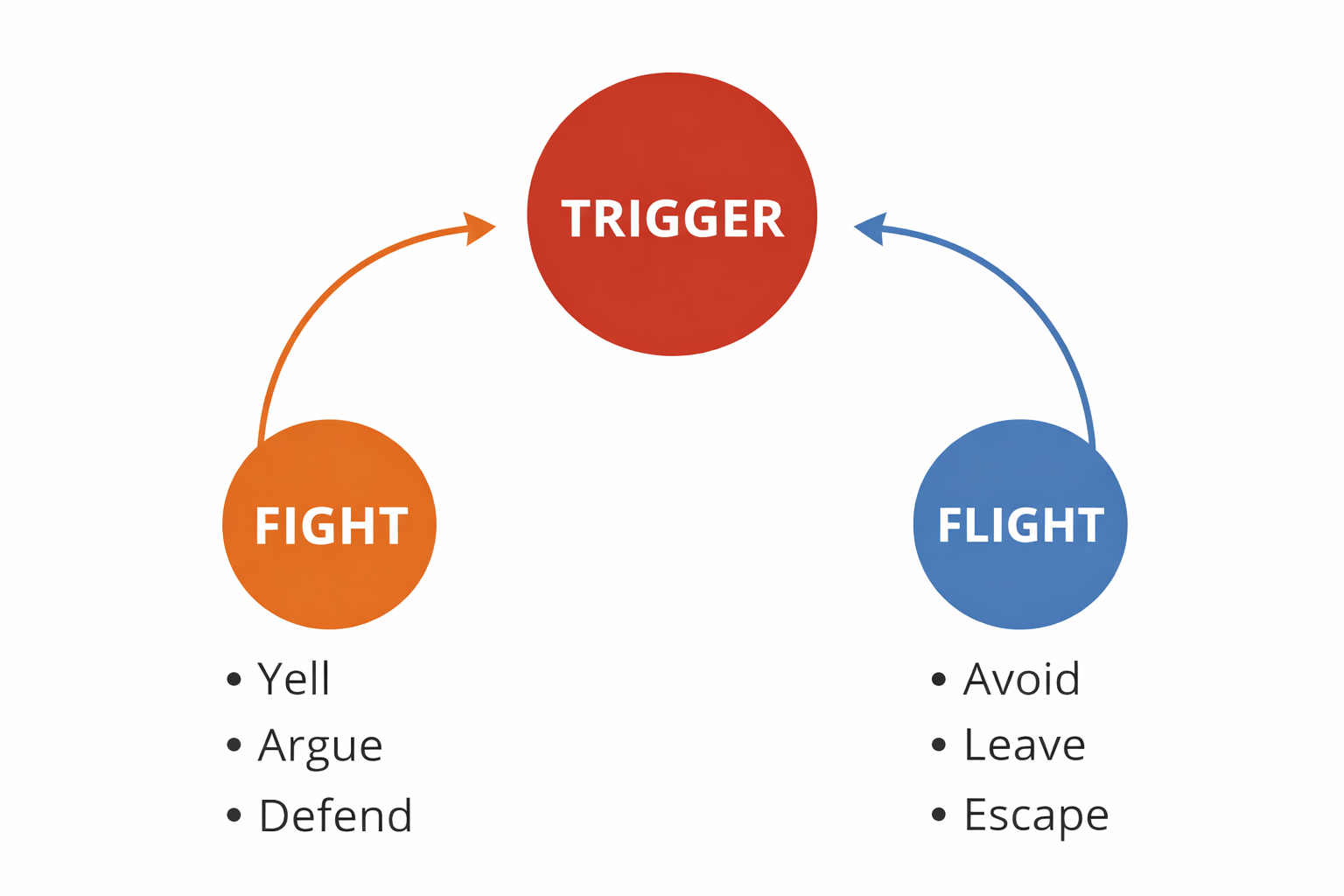
If you genuinely want to answer the question what are my triggers, you don’t need to analyse everything.
You need to notice patterns.
Pay attention to moments where:
- Your reaction is immediate
- The emotion feels stronger than expected
- You feel out of control or overwhelmed
- You keep thinking about it afterwards
Those moments point directly to your triggers.
A Simple Way to Identify Your Triggers
Instead of overthinking it, focus on one practical step.
When something feels intense, ask:
“What just happened right before I felt this?”
Then follow it with:
- What did I feel?
- What did I believe it meant?
- What did I do next?
This helps you move from what are my triggers as a question…
to actually seeing them in real situations.
Examples to Help You Recognise Your Triggers
When people explore what are my triggers, certain themes appear again and again.
Common triggers include:
- Feeling ignored or dismissed
- Being criticised or corrected
- Losing control of a situation
- Conflict with others
- Fear of making mistakes
The situations may look different.
The emotional response is often familiar.
What Changes When You Know Your Triggers
The reason we question what are my triggers and why it matters is simple.
Awareness changes your experience in the moment.
When you recognise a trigger, something small but important happens.
You pause.
Even briefly.
That pause creates space between what happened and how you respond.
From Automatic Reaction to Conscious Response
Without awareness, reactions feel automatic.
With awareness, you begin to notice them as they happen.
That shift doesn’t remove the emotion.
It changes your relationship to it.
Instead of being inside the reaction, you can see it.
And when you can see it, you have more control over what happens next.
What Are My Triggers Teaching Me?
There’s another way to look at the question what are my triggers.
Each trigger points to something underneath:
- A belief
- A past experience
- An expectation
- A fear
Triggers are not random.
They are signals.
When you start paying attention, they show you patterns that were previously invisible.
A Simple Exercise to Start Today
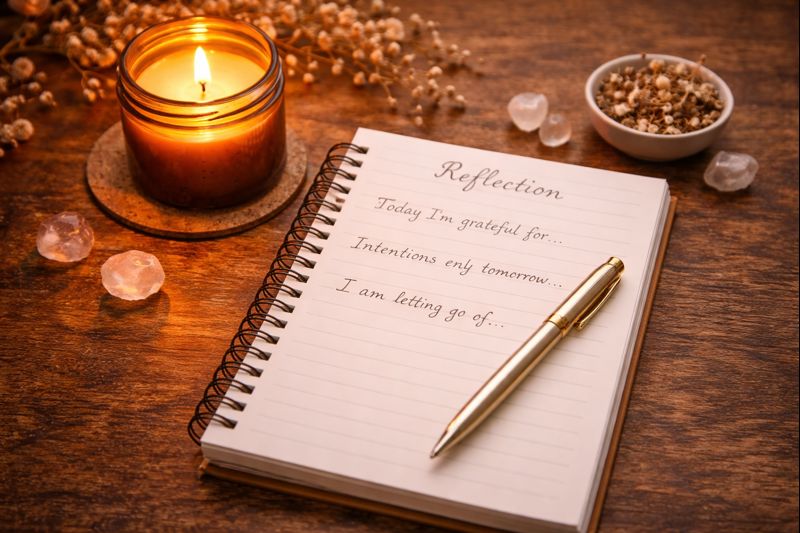
The next time you feel a strong reaction, write this down:
- What happened?
- What did I feel?
- What did I think it meant?
Don’t judge it.
Don’t try to fix it.
You don’t need to solve anything.
Just observe.
This is how you move from asking what are my triggers
to actually understanding them.
Why It’s Hard to Answer “What Are My Triggers?”
Even when you start asking what are my triggers, it can still feel unclear.
You might notice reactions, but not fully understand them.
You might see patterns, but not know where they come from.
You might recognise the feeling, but not catch it in the moment.
That gap is normal.
Most triggers don’t show up clearly at first. They show up as reactions.
Over time, as you keep noticing these moments, something becomes easier.
You start recognising them earlier.
Instead of only seeing the reaction afterwards, you begin to notice it while it is happening.
That shift is important.
It turns the question what are my triggers from something abstract into something practical.
Building Awareness Over Time
Understanding what are my triggers is not something that happens in one moment.
It builds gradually.
You notice one situation.
Then another.
Then you begin to see connections between them.
What once felt random starts to look predictable.
And when something becomes predictable, it becomes easier to manage.
This is where real change begins.
Not by forcing different reactions, but by understanding what is driving them.
What Most People Get Wrong About Triggers
A common mistake when asking what are my triggers is trying to remove them completely.
That’s not the goal.
Triggers don’t disappear overnight.
What changes is how you respond to them.
Instead of reacting immediately, you begin to recognise what is happening.
That recognition creates a different experience.
The situation may be the same, but your response starts to shift.
Small Changes That Make a Big Difference

You don’t need to figure everything out at once.
Start small.
Notice one trigger.
Understand one reaction.
Pause in one moment where you would normally react automatically.
These small shifts build momentum.
And over time, they change how you experience situations that once felt overwhelming.
Where to Go Next
Once you begin recognising your triggers, you may start noticing the beliefs and patterns sitting underneath them.
→ Read next: What Are Limiting Beliefs?
Privacy Policy