- Home
- Self Awareness & Patterns
- Be Self Aware
- Feeling Out of Control
Feeling Out of Control? Why It Happens and How to Regain It
There are moments in life where everything feeling out of control like it’s slipping through your fingers. You try to stay on top of things, to hold it together, but underneath it all there’s a quiet thought you can’t ignore… why do I feel like this?
If you’ve been feeling out of control, you’re not alone. And more importantly, this feeling doesn’t come from nowhere. It’s usually a signal — not that something is wrong with you, but that something deeper is asking to be understood.
Why You Might Be Feeling Out of Control
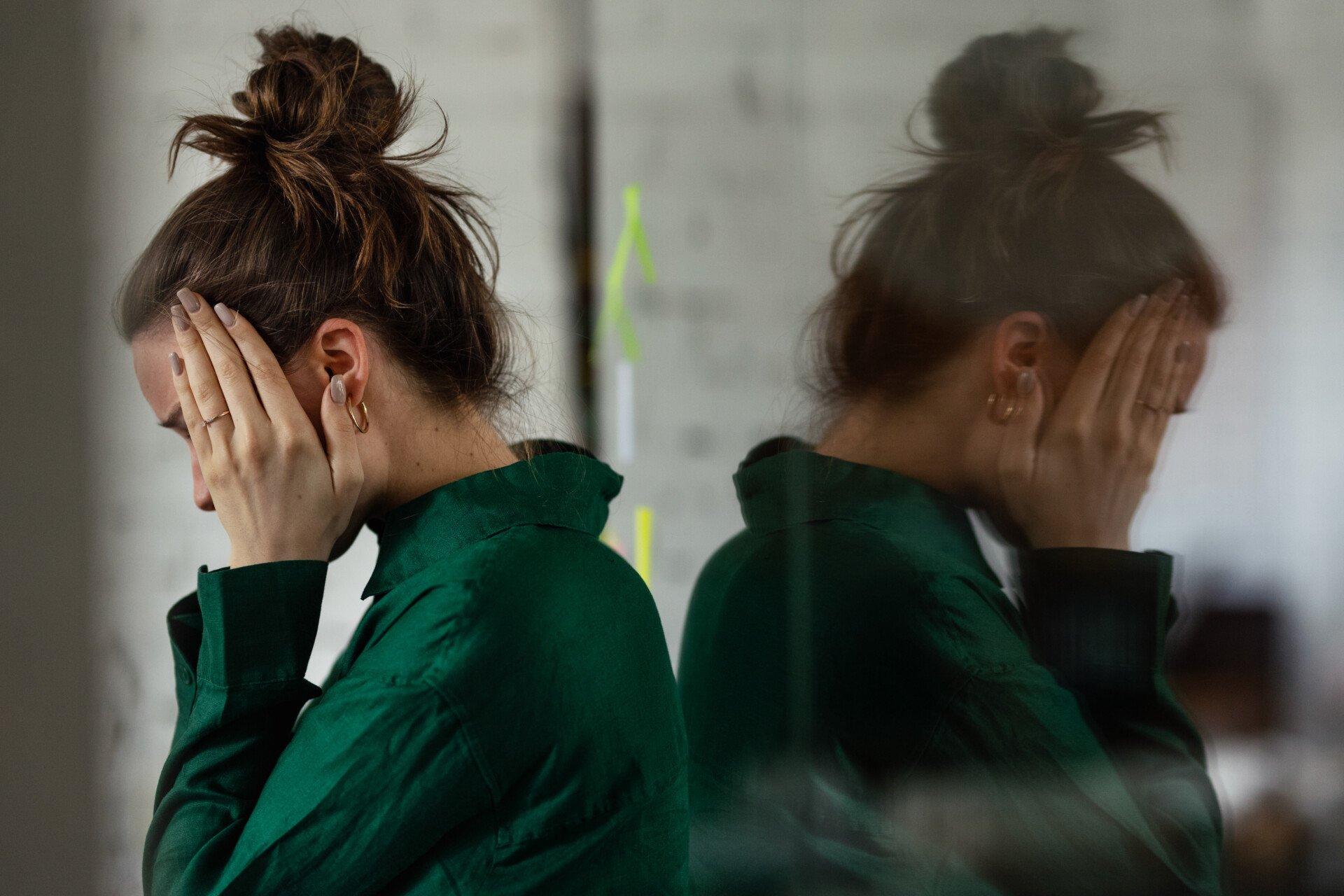
That sense of being overwhelmed doesn’t just appear overnight. It tends to build slowly, often without you noticing at first.
You might recognise it as:
- Reacting more emotionally than you used to
- Feeling triggered by small things
- Struggling to make clear decisions
- A constant sense of pressure or restlessness
What’s really happening is this: your internal world — your thoughts, emotions, and patterns — has become misaligned with how you’re living day to day.
When that happens, your mind tries to regain control in the only way it knows how… by reacting.
The Hidden Patterns Behind Feeling Out of Control
Most people think this feeling is about external circumstances — work, relationships, stress. But often, the real cause sits beneath the surface.
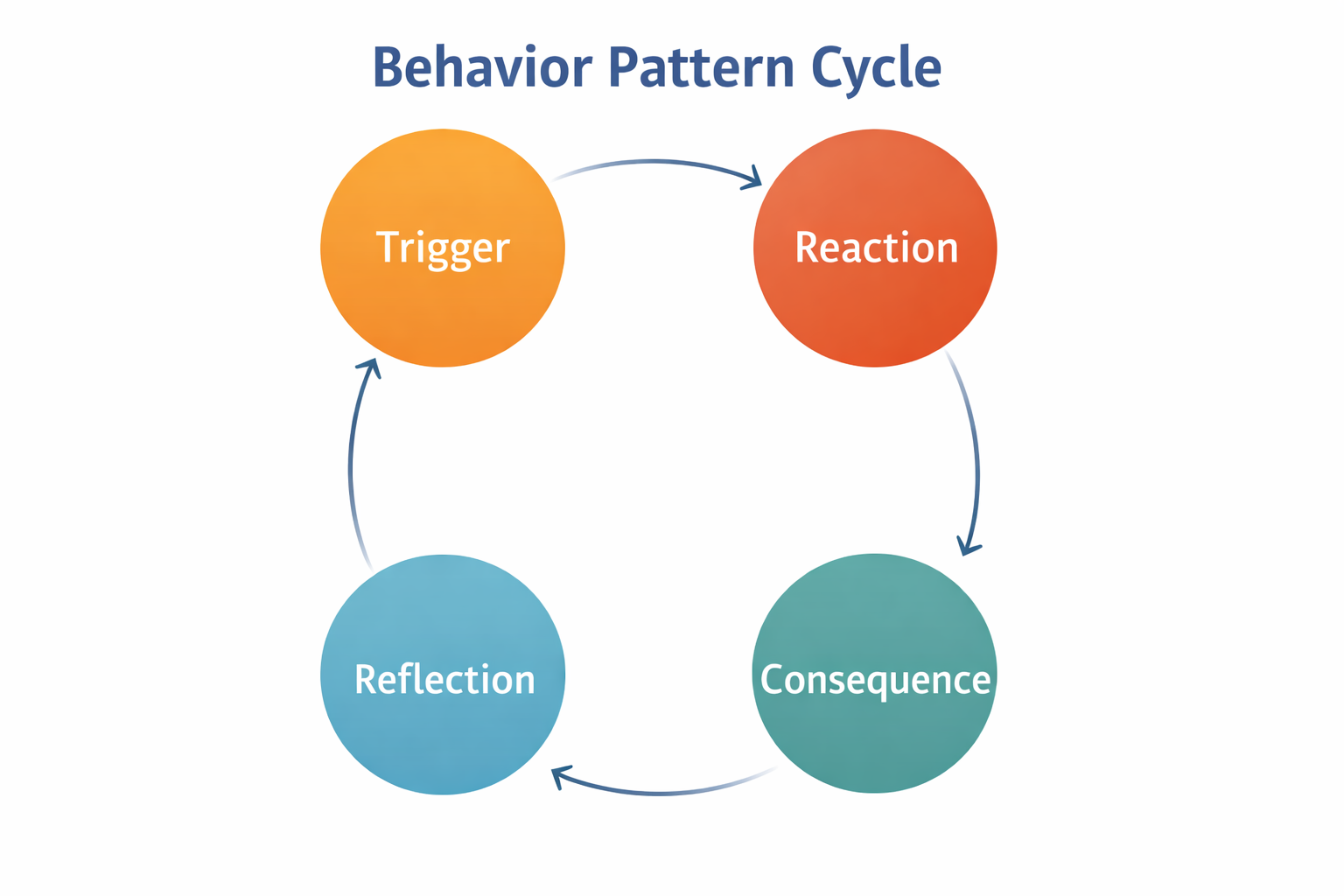
Repeated behaviours, emotional reactions, and automatic responses form patterns over time. These patterns quietly shape how you experience your life.
Without awareness, they can lead to:
- Repeating the same situations
- Feeling stuck in cycles
- Reacting instead of choosing
This is where understanding your patterns in life becomes powerful. When you start to see what’s repeating, you begin to take back control.
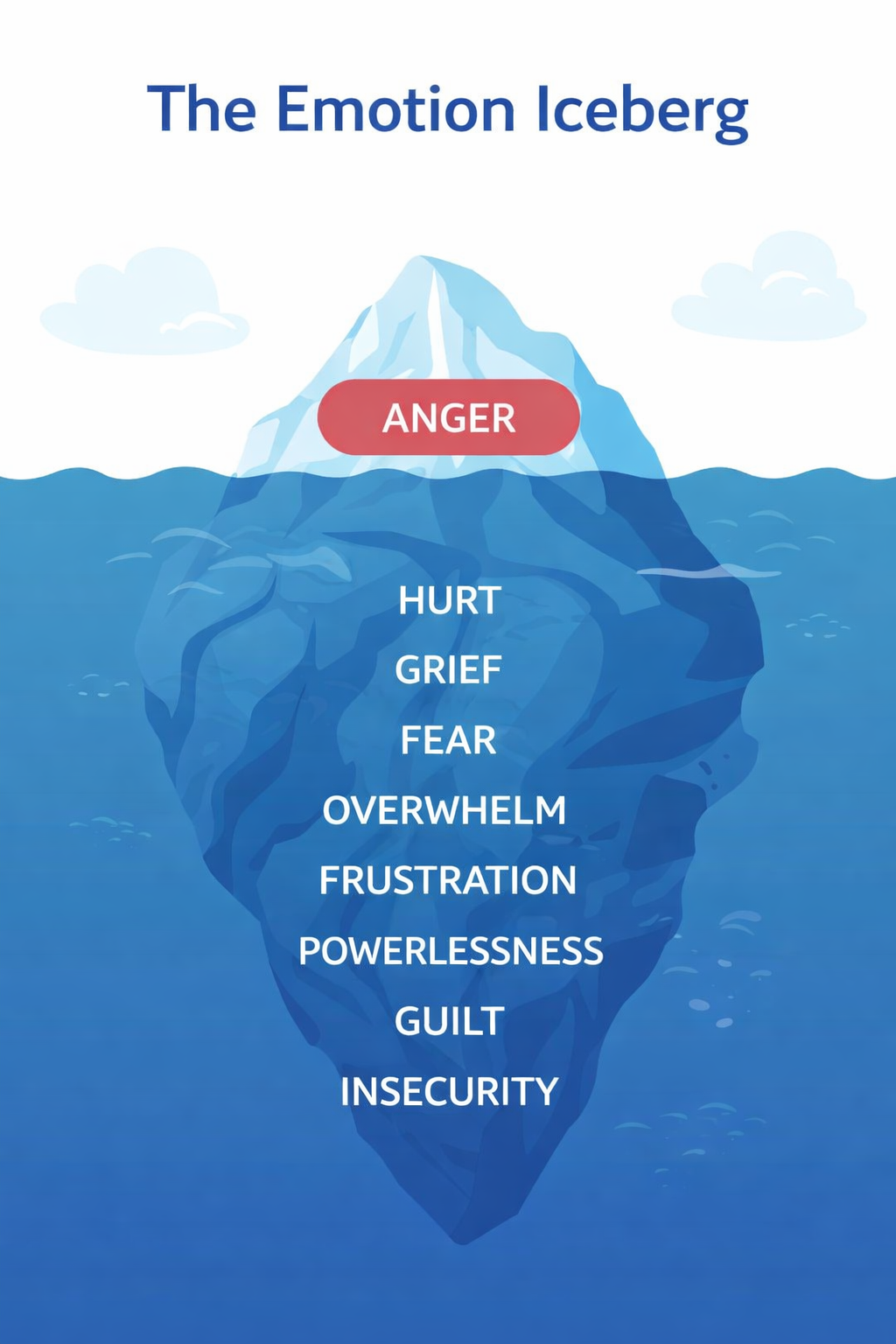
Emotional Triggers and Why You React

Another key reason you may be feeling out of control is emotional triggers.
A trigger is something that causes an immediate emotional reaction — often before you’ve had time to think. It might seem small on the surface, but it connects to something deeper.
For example:
- A comment that makes you feel criticised
- A situation that brings up anxiety
- A moment where you suddenly feel anger or frustration
If you’ve ever wondered why your reactions feel stronger than the situation, it’s because they’re not just about the present moment.
To understand this better, you can explore:
Research into emotional responses and triggers shows that strong reactions are often linked to deeper, unconscious patterns rather than the situation itself (source: Psychology Today).
The Role of Limiting Beliefs
Underneath patterns and triggers, there’s often another layer — your beliefs.
Limiting beliefs are the quiet assumptions you hold about yourself, your life, and what’s possible. They often form over years and operate without you realising.
They can sound like:
- “I’m not good enough”
- “Things never work out for me”
- “I have to keep everything together”
These beliefs influence your behaviour and emotional responses, often creating the very situations that make you feel out of control.
Understanding what are limiting beliefs is a key step in breaking that cycle.
How to Start Regaining Control
The important thing to understand is this: control doesn’t come from forcing change. It comes from awareness.
When you begin to notice:
- What you’re feeling
- What triggered it
- What pattern is repeating
You create space between reaction and response.
That space is where change begins.
You don’t need to fix everything at once. Instead, start small:
- Pause when you feel triggered
- Notice your emotional response without judging it
- Ask yourself what might be underneath it
These simple steps help you move from reacting automatically to responding consciously.
Feeling Out of Control Is a Starting Point, Not a Failure
It might not feel like it right now, but this experience can actually be the beginning of something important.
That feeling is often what brings awareness.
It’s what makes you stop and ask:
- Why do I feel like this?
- What’s really going on beneath the surface?
- What needs to change?
And those questions are powerful. Because once you start asking them, you’re no longer stuck — you’re becoming aware.
Why Feeling Out of Control Can Feel So Overwhelming
When you’re feeling out of control, it’s not just about what’s happening around you — it’s about how your mind and body are responding internally.
Your nervous system is designed to protect you. When it senses stress, uncertainty, or emotional discomfort, it shifts into a more reactive state. This is often known as the fight, flight, or freeze response.
In this state:
- Your thoughts can feel faster and harder to manage
- Your emotions feel stronger or unpredictable
- You may react quickly without fully understanding why
This is why the experience of feeling out of control can feel so intense. It’s not a weakness — it’s your system trying to cope with something it hasn’t yet processed.
The challenge is that when this becomes a pattern, it starts to reinforce itself. You react, then feel frustrated with yourself, which creates more emotional pressure, and the cycle continues.
Understanding this can be a powerful shift. Instead of asking “What’s wrong with me?”, you begin asking “What is my system trying to tell me?”
That question alone creates space for awarenes
Small Shifts That Help You Feel More in Control Again
Regaining a sense of control doesn’t come from making big, dramatic changes overnight. It comes from small, consistent shifts in how you respond to yourself.
You might begin with simple steps like:
- Slowing down your response in emotionally charged moments
- Taking a breath before reacting
- Noticing patterns instead of judging them
These small actions might not seem like much at first, but they begin to rebuild trust with yourself.
Over time, this changes how you experience situations. Instead of feeling pulled into reactions automatically, you start to recognise what’s happening and choose how to respond.
That’s what real control looks like — not controlling everything around you, but understanding what’s happening within you.
Where to Go Next
Feeling out of control can sometimes be part of a pattern that keeps repeating.
If that feels familiar, you may want to explore:
This can help you notice the repeated reactions, choices or behaviours that may be shaping how you feel.
Privacy Policy