- Home
- Self Awareness & Patterns
- what are my triggers
- Why Do I Get Angry
Why Do I Get Angry?
Why do I get angry?
That question usually doesn’t come up in a calm moment.
It shows up after something has already happened.
A reaction that felt too strong.
A situation that escalated quickly.
A moment where you said or did something… and then replayed it afterwards.

There’s often a pause after.
Not long. Just enough to notice:
That didn’t feel in proportion.
And that’s where the question starts.
Why Do I Get Angry So Easily?
When people ask why do I get angry, they are rarely asking about anger itself.
They are trying to understand the speed of it.
How quickly it appears.
How fast it takes over.
How difficult it feels to stop once it starts.
Anger often feels immediate.
But it isn’t random.
It follows a pattern.
What’s Really Happening When You Feel Angry
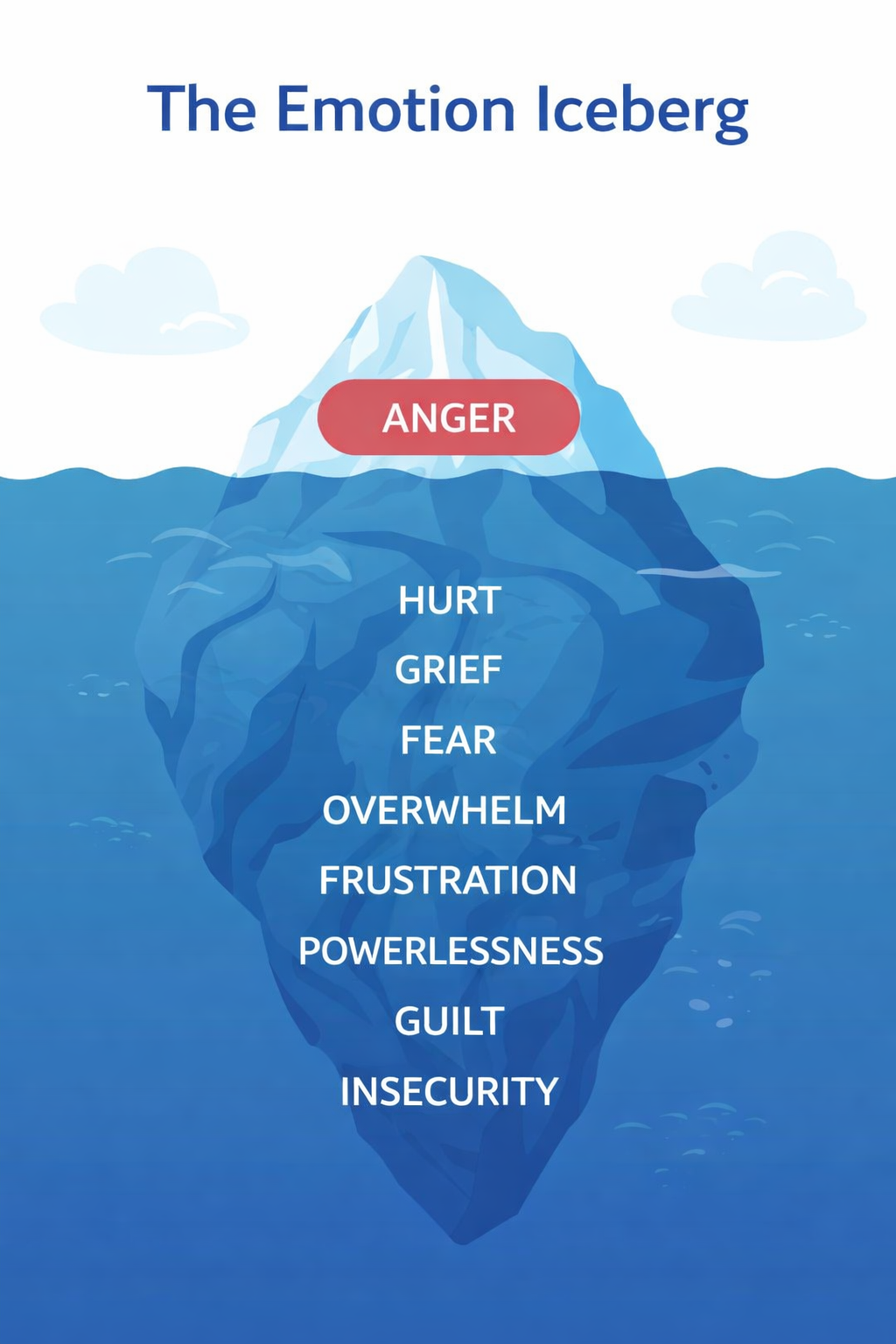
Anger is often a response to something underneath.
It can be:
- Feeling disrespected
- Feeling ignored
- Feeling misunderstood
- Feeling out of control
- Feeling criticised
The surface emotion is anger.
The driver is usually something else.
That’s why the same types of situations tend to create the same reactions.
Why Do I Get Angry in Certain Situations?
Not every situation creates anger.
Certain moments do.
A tone of voice.
A comment.
A situation where expectations are not met.
These are not random triggers.
They connect to something familiar.
That familiarity is what makes the reaction feel automatic.
The Pattern Behind Your Reactions
When you ask why do I get angry, you are starting to notice repetition.
Similar situations.
Similar feelings.
Similar outcomes.
You might tell yourself it will be different next time.
Then the same type of moment happens again.
And the same reaction follows.
That’s not a lack of control.
It’s a pattern that hasn’t been recognised yet.
Why Anger Feels So Immediate
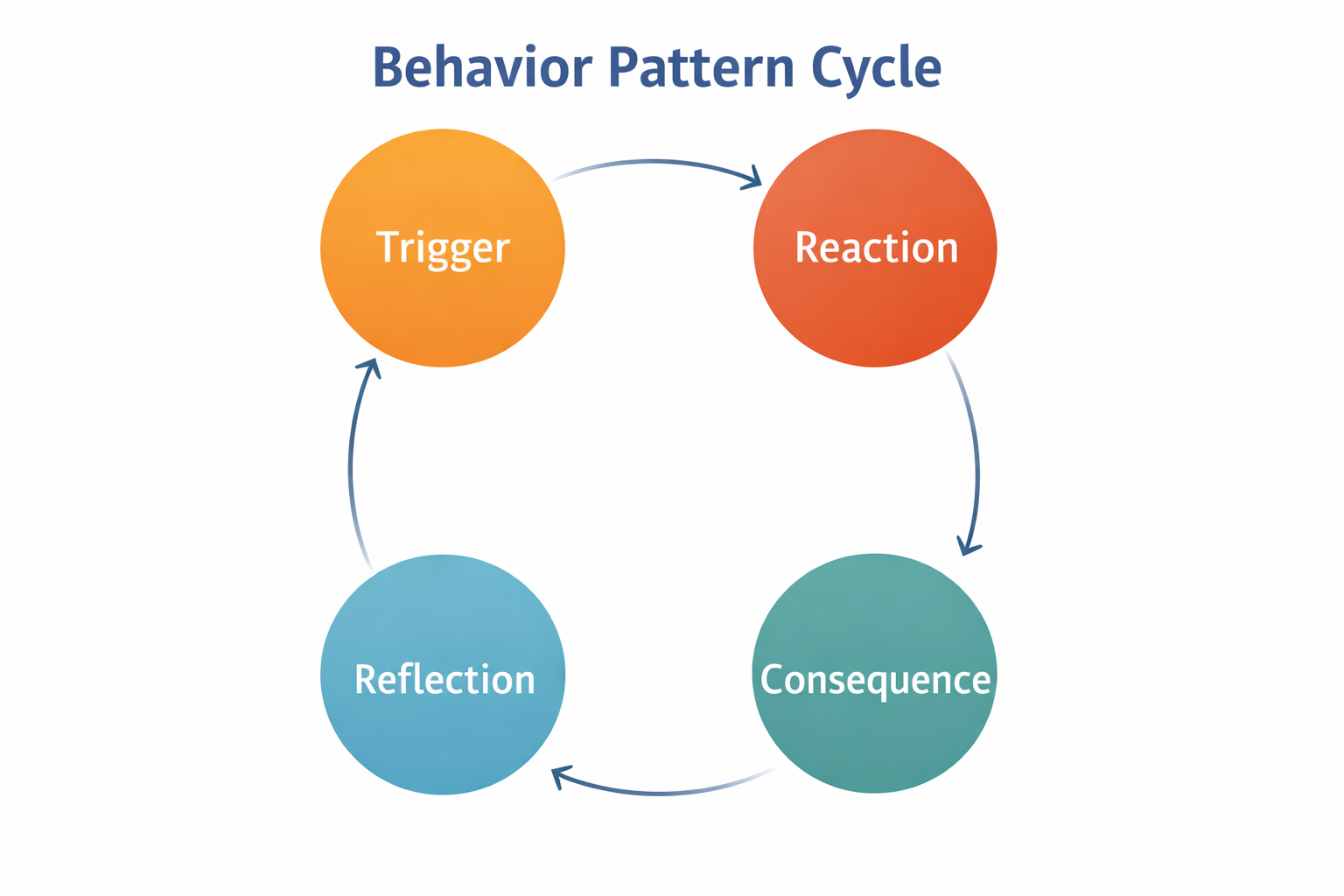
Anger doesn’t wait for analysis.
It moves fast.
By the time you notice it, you are already inside it.
That speed is what makes it feel difficult to manage.
There isn’t time to think through what is happening.
The reaction comes first.
Understanding comes later.
What Your Anger Is Pointing To
If you keep asking why do I get angry, there is useful information in that question.
Each reaction points to something underneath:
- A belief
- An expectation
- A past experience
- A perceived threat
The anger itself is not the starting point.
It is the signal.
When Anger Feels Out of Proportion
One of the clearest signs of a trigger is when the reaction feels bigger than the situation.
A small issue creates a strong response.
A brief moment affects you for longer than expected.
A situation stays with you even after it has passed.
This is often the moment where people begin to question their reactions.
Not to judge them.
But to understand them.
Why Do I Get Angry and Regret It Afterwards?
There is often a second layer to this.
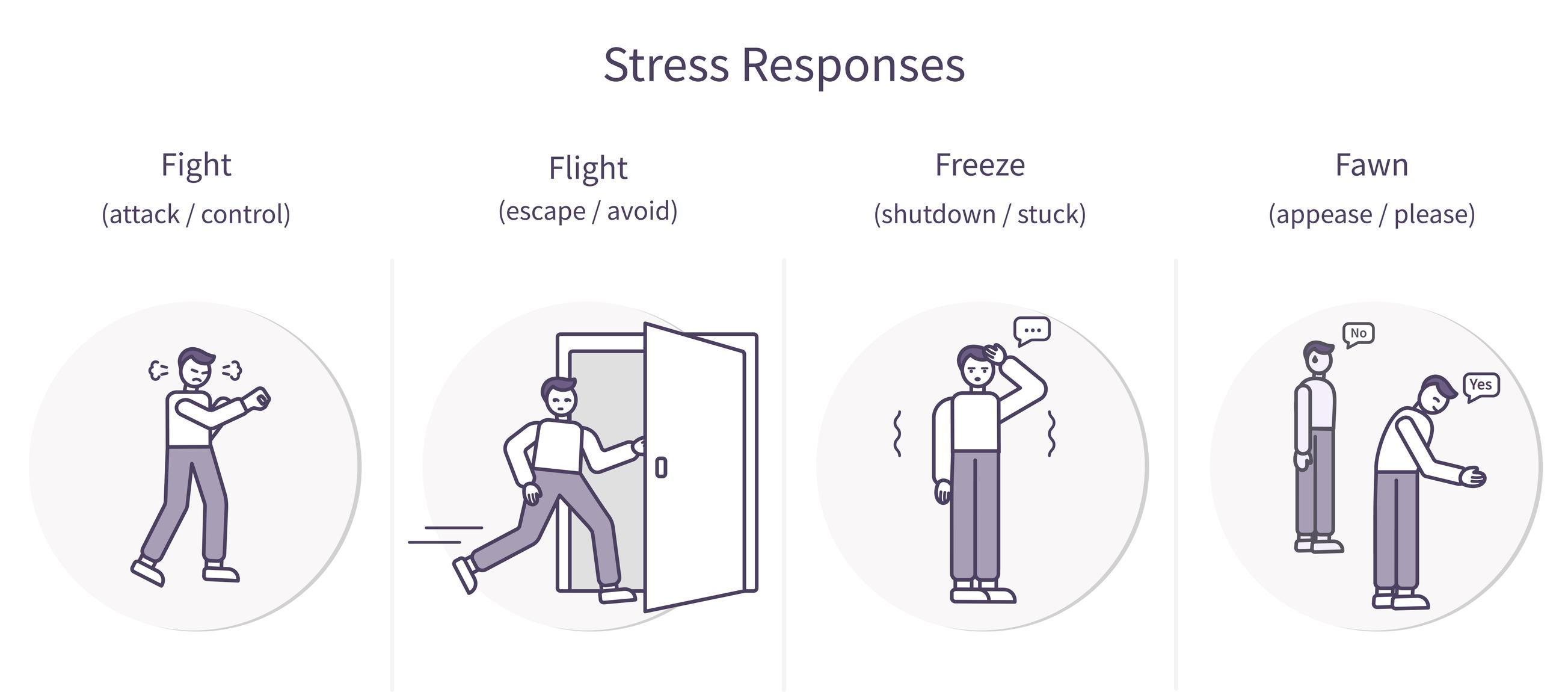
The reaction happens.
Then comes reflection.
You think about what was said.
How it came across.
What you might have done differently.
That gap between reaction and reflection is important.
It shows awareness is already beginning.
The Link Between Anger and Triggers
Anger is often the visible part of a trigger.
The trigger activates quickly.
The reaction follows.
The understanding comes later.
Without recognising the trigger, the reaction feels automatic.
With awareness, something changes.
You begin to see what is happening as it happens.
What Changes When You Understand Your Anger
The question why do I get angry starts as confusion.
Over time, it becomes recognition.
You begin to notice patterns earlier.
You start to see situations more clearly.
You recognise familiar reactions before they fully take over.
This doesn’t remove anger.
It changes how you experience it.
A Simple Way to Start Noticing
The next time you feel anger building, pause briefly and ask:
- What just happened?
- What did I feel before the anger?
- What did I think it meant?
You are not trying to stop the reaction.
You are trying to understand it.
That’s where change begins.
Why Anger Keeps Showing Up
When you keep asking why do I get angry, it often means the same types of situations keep appearing.
Not always identical.
But similar enough that the reaction feels familiar.
You might notice:
- The same conversations lead to frustration
- The same situations create tension
- The same thoughts appear just before the reaction
This repetition is important.
It shows that anger is not random.
It follows patterns that are already in place.
Anger is a natural emotional response, but when it feels overwhelming or difficult to manage, it can help to understand how it works and what sits beneath it. External resources such as Mind offer further insight into how anger affects thoughts, feelings, and behaviour.
Recognising Patterns in Your Anger

Once you start paying attention to why do I get angry, patterns begin to stand out more clearly.
You may begin to notice:
- Certain people trigger stronger reactions
- Certain environments increase sensitivity
- Certain topics create immediate tension
At first, this awareness happens after the event.
Later, it begins to happen during the moment itself.
That shift is where things begin to change.
Once you start paying attention to why do I get angry, patterns begin to stand out more clearly.
You may begin to notice:
- Certain people trigger stronger reactions
- Certain environments increase sensitivity
- Certain topics create immediate tension
At first, this awareness happens after the event.
Later, it begins to happen during the moment itself.
That shift is where things begin to change.
What Happens When You Pause
There is a small moment that starts to appear once you recognise your patterns.
It doesn’t last long.
But it’s enough.
A pause between what happens and how you respond.
That pause creates a different experience.
Instead of moving straight into reaction, you begin to see what is happening as it unfolds.
This is where the question why do I get angry starts to turn into understanding.
Building Awareness Over Time

Understanding why do I get angry is not something that happens instantly.
It builds through repetition.
Each time you notice a reaction, you gather more information.
Each time you reflect on what happened, the pattern becomes clearer.
Over time, what once felt automatic begins to feel more predictable.
And when something becomes predictable, it becomes easier to manage.
Where to Go Next
Anger can sometimes be a sign that something has been triggered beneath the surface.
To explore what may be driving your reactions:
These pages can help you understand both how triggers work and what your own triggers may be showing you.
Privacy Policy